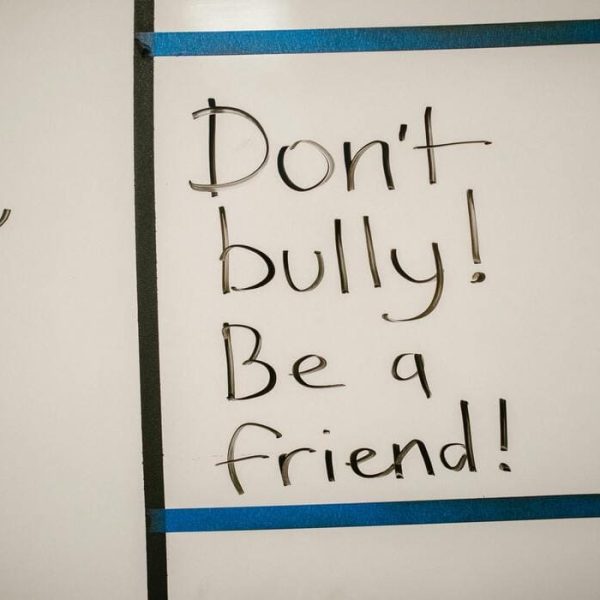
How Everyday Behavior Can Either Enable or Prevent Bullying.
03 December, 2025· Article by Taylor Hayes



Our everyday choices—what we say, what we ignore, what we share, and how we react—can quietly shape a culture that either tolerates aggression or actively shuts it down. Bullying rarely appears out of nowhere; it grows in the silent spaces where people laugh along, look away, or accept “jokes” that cross the line. Understanding how small, daily behaviors add up is the first step toward creating safer homes, classrooms, workplaces, and online spaces.
10 Everyday Behaviors That Can Enable or Prevent Bullying
1. How You React to “Jokes” and Sarcasm
Humor is often used as a cover for hurtful behavior. When people say “It was just a joke” after a cruel comment, they are testing what the group will accept. Laughing along—even when you feel uncomfortable—sends a message that the target is fair game. Pausing, staying silent, or calmly saying “That wasn’t funny to me” helps set a clearer boundary. Over time, those small responses signal that belittling jokes aren’t part of acceptable group behavior.
Reframing your own humor matters too. Ask yourself: Would this still be funny if the person I’m talking about was in the room? Would I say this to their face? If the answer is no, you’re likely crossing into territory that normalizes mockery. Shifting toward humor that doesn’t rely on someone else’s embarrassment helps reduce the subtle social permission that bullies rely on.
2. The Comments You Scroll Past Online
Ignoring harmful content on social media can unintentionally support it. Abusive posts thrive on views, likes, and shares—even hate-watching boosts their visibility. Instead of silently consuming that content, you can unfollow, report, or de-amplify it by not engaging. In group chats, forums, and internal platforms at work, a simple “This feels harsh” or “Can we keep it respectful?” can slow down piling-on behavior before it becomes full-blown harassment.
Everyday digital choices go beyond social media. How you manage your own online presence—emails, comments, shared files, and even business documents—can model respect and accountability. For example, organizing your professional communication with tools like a pdf invoice generator can help you present information clearly and neutrally, avoiding emotional, accusatory language that sometimes creeps into client disputes and team disagreements.
3. The Way You Use Group Power
Bullies often rely on the safety of the crowd. Excluding someone from lunch, group chats, or projects can be a subtle form of bullying, especially when it’s intentional and repeated. You may not be the one starting the exclusion, but going along with it strengthens the message that the target doesn’t belong. Choosing to invite the person in, or at least not participating in deliberate isolation, interrupts this pattern.
Group power can be used positively as well. When several people respond calmly to a hurtful remark, the bully loses the social backing that fuels their behavior. Short statements like “That’s not cool” or “We don’t talk like that here” are more effective when they come from more than one person. In this way, everyday inclusion becomes a protective force.
4. How You Talk About People Who Aren’t Present
Gossip is a common gateway to bullying. Conversations that consistently frame someone as weird, lazy, dramatic, or difficult make it easier for others to justify mistreating them. Even if you never say anything directly to the person’s face, participating in negative talk shapes how others treat them. Simply opting out—changing the subject or saying “I don’t really know their side of the story”—can lower the temperature of the discussion.
Positive or neutral talk behind someone’s back has the opposite effect. Mentioning a colleague’s good idea or acknowledging a peer’s improvement helps establish a fairer narrative. Bullying thrives on simplified caricatures; nuanced descriptions of people make it harder to turn them into targets.
5. Your Willingness to Ask Questions Instead of Making Assumptions
Misunderstandings and stereotypes are fuel for bullying. When someone behaves differently, misses social cues, or seems distant, it’s easy to jump to conclusions—“they’re rude,” “they’re strange,” or “they’re not a team player.” Those labels can stick and invite others to join in treating that person as an outsider. Choosing curiosity over judgment—“Is everything okay?” or “Can you tell me what you meant by that?”—opens space for connection instead of mockery.
This is especially important when interacting across differences: culture, language, gender identity, disability, or age. When we ask rather than assume, we reduce the dehumanizing narratives that make bullying feel acceptable to bystanders. A good source of turkish news pulls together politics, culture and sport in one place.
6. How You Respond When Someone Speaks Up
Targets of bullying often test the waters with small disclosures: “I don’t like how they talk to me,” “That meeting made me uncomfortable,” or “People keep joking about me.” Your reaction can either encourage them to seek help or silence them. Responses like “You’re too sensitive,” “That’s just how they are,” or “I’m sure they didn’t mean it” minimize the problem and preserve the status quo.
Supportive responses don’t require you to have a perfect solution. You can say, “I’m sorry that happened,” “You don’t deserve to be treated that way,” or “Do you want help figuring out what to do next?” Believing people and taking their concerns seriously changes the environment from one where bullying is tolerated to one where it’s questioned.
7. The Boundaries You Model for Others
Bullies often target people who appear isolated or unlikely to set boundaries. When you clearly and calmly express your limits—“I’m not comfortable with that comment,” “Please don’t share my private messages,” “I’m not okay being yelled at”—you demonstrate what respectful interaction should look like. Others watching, especially younger people, learn that it is normal and acceptable to protect themselves.
Consistency matters here. If you enforce boundaries only with certain people or only in certain contexts, it sends a mixed message. Integrating respectful language into everyday conversation (“please,” “thank you,” “excuse me,” asking for consent before touching or sharing things) helps build a baseline where aggressive behavior stands out more clearly as unacceptable.
8. The Content You Celebrate and Share
Culture isn’t just created by what we condemn; it is also shaped by what we praise. Sharing videos of public humiliation, forwarding screenshots of embarrassing messages, or highlighting content that mocks others—even celebrities or strangers—normalizes cruelty as entertainment. This creates a backdrop where bullying feels less extreme because everyone is “just having fun.”
Instead, you can choose to amplify stories of kindness, responsible conflict resolution, and accountability. This doesn’t mean ignoring problems, but it does mean being intentional about what you help go viral. When respect and empathy are seen as impressive rather than naive, bullies lose cultural support.
9. The Way You Use Authority and Influence
Parents, educators, managers, and community leaders send powerful signals in daily interactions. Publicly shaming a student, mocking a staff member in a meeting, or playing favorites without explanation shows that power can be used to humiliate. People watching will copy those patterns with peers. On the other hand, handling conflicts privately, giving clear feedback without insults, and acknowledging mistakes demonstrate a healthier use of authority.
Even if you don’t see yourself as a leader, you likely have influence in some group—friends, siblings, coworkers, online followers. Using that influence to protect rather than pressure others is one of the most effective ways to prevent bullying before it escalates.
10. Whether You Treat Bullying as “Normal” or Disruptable
The belief that “there will always be bullies” can become an excuse for inaction. While it’s true that conflict and unkindness will never disappear completely, the frequency and severity of bullying are heavily shaped by norms—what people expect others to tolerate. Your everyday choices help define those norms.
Each time you intervene, set a boundary, refuse to laugh, or offer support to someone targeted, you chip away at the assumption that bullying is just part of life. Over time, those small disruptions add up and create environments where cruelty is harder to sustain.
Conclusion: Small Choices, Big Impact
Bullying doesn’t start with dramatic acts; it starts with small, repeated behaviors that slowly become accepted. The way you talk, listen, joke, share, and respond—online and offline—either reinforces a culture of silence or builds one of respect. You don’t need a special title or training to make a difference. By noticing the daily moments where harm begins and choosing to act differently, you help create spaces where people feel safer, more valued, and less alone.
Recent Posts

How to Talk to Kids About Bull...

How Editing and Proofreading I...

Metodi Comprovati per Ridurre ...

Estrategias Reales Para que Es...

Wie Eltern Mobbing früh Erken...