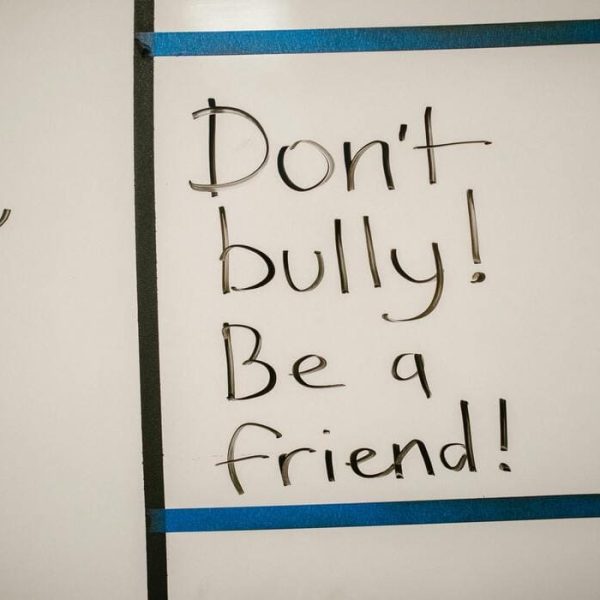

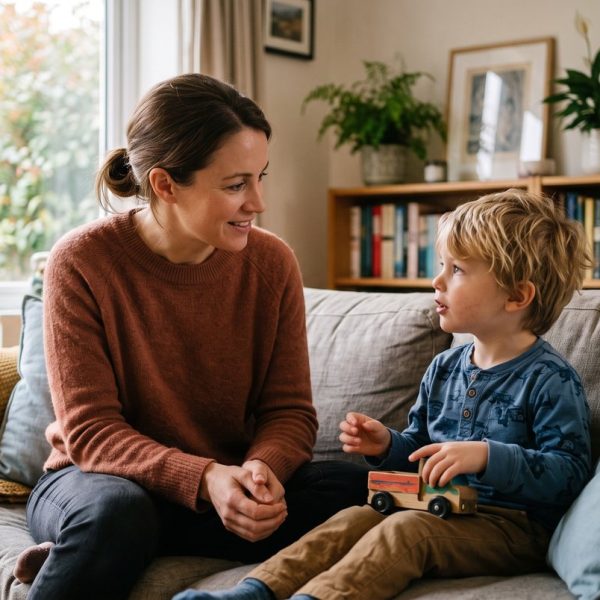
Bullying is one of those subjects most parents dread, right up until the day it lands on the kitchen table and they wish they had raised it sooner. The reassuring part is that you do not need a script or a psychology degree to make a difference. Knowing how to talk to kids about bullying is mostly about starting early, listening well, and making it clear that home is the safe place where nothing they say will be met with panic or blame. A child who trusts that you will stay calm is a child who will actually tell you what is going on.
Start the Conversation Before There Is a Problem
The best time to talk about bullying is long before anything happens. Weave it into ordinary moments, a scene in a film, a story from your own school days, a news item, and ask what your child would do. Keep these chats short and frequent rather than one heavy lecture. When the subject is already familiar, a worried child does not have to break the ice from scratch. They simply pick up a conversation you have quietly kept open for years.
Know What Bullying Actually Looks Like
Many parents picture bullying as shoving in the corridor, but the reality is broader and often quieter. The main types of bullying include physical, verbal, and social or relational bullying, the last of which works through exclusion, rumors, and turning friends against one another. Naming these forms helps your child recognize what is happening to them or to a classmate. Reliable overviews such as the Wikipedia entry on bullying and the guidance on what is bullying from StopBullying.gov are useful starting points if you want to explain the difference clearly and accurately.
Watch for the Signs a Child Is Struggling
Children rarely announce that they are being targeted. More often the clues are indirect: a sudden reluctance to go to school, lost or damaged belongings, trouble sleeping, or a quiet child who becomes withdrawn or unusually angry. The effects of bullying can reach well beyond the school gate, showing up as anxiety, low confidence, and a dip in grades. None of these signs proves bullying on its own, but a cluster of them is worth a gentle, unhurried conversation rather than a direct interrogation.
What to Say When Your Child Opens Up
When a child finally talks, your first job is to listen without rushing to fix. Thank them for telling you, remind them it is not their fault, and resist the urge to storm the school that same afternoon. Ask what they would like to happen next, because taking action behind their back can make a frightened child feel even more powerless. Children open up most when the conversation happens in their own words, and for multilingual families, in their own language. Just as adults trust and respond best in their native language, a child will share far more when they are not also wrestling with how to phrase it.
Working With the School
Once your child is ready, the school is usually your strongest ally. Learning how to deal with bullying at school starts with calm, specific notes: what happened, when, where, and who was involved. Ask about the school's anti bullying policy and agree on a follow up date rather than a single meeting. Keep the tone collaborative. Teachers see far more of the day than you do, and a partnership almost always protects a child better than a confrontation does.
Conversations with children about difficult subjects work best when the explanation is honest and proportionate to what they can absorb. Family medical history is one of the harder examples. Progress in dna research has made those conversations more informative and, in some families, considerably more complicated.
Talking to children about difficult subjects works better with a simple, predictable format they can return to more than once. Broadcasters understood something similar decades ago, when information had to fit into a few dozen characters per page. The enduring appeal of teletext was precisely that constraint, which forced every page to say one thing clearly.
When Bullying Moves Online
For today's children, the playground does not close at three o'clock. Phones carry it home, into the bedroom, and through the night, which is what makes digital cruelty so relentless. It helps to understand the specific effects of cyberbullying and to agree early on sensible rules: screens out of bedrooms overnight, a habit of screenshotting rather than deleting nasty messages, and a promise that reporting something will never cost a child their device. Fear of losing the phone is the main reason children stay silent about what happens on it.
Helping a Bullied Child Rebuild Confidence
Once the immediate problem is being handled, the quiet work of recovery begins. A child who has been targeted often carries the belief that they somehow deserved it, and that belief can outlast the bullying itself. Help them reconnect with the things that make them feel capable, whether that is a sport, an instrument, a club, or a single steady friendship. Small, regular wins rebuild the confidence that bullying chips away. Remind them, often and plainly, that what happened says everything about the person who did it and nothing about their own worth.
Raising a Child Who Does Not Bully
Talking about bullying is not only about protecting your own child. It is also about the kind of person they become when no adult is watching. Praise kindness as loudly as you would praise good grades, and teach the quiet power of the bystander who refuses to laugh along or who simply sits with the child eating alone. Children who feel secure and valued at home rarely need to make anyone else feel small. In the end, the conversations that prevent bullying and the ones that build a decent human being turn out to be the same conversations.
Recent Posts

How Everyday Behavior Can Eith...

How Editing and Proofreading I...

Metodi Comprovati per Ridurre ...

Estrategias Reales Para que Es...
Wie Eltern Mobbing früh Erken...